
 $ AUD
Description
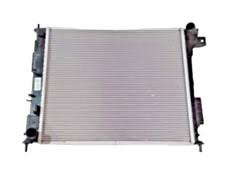
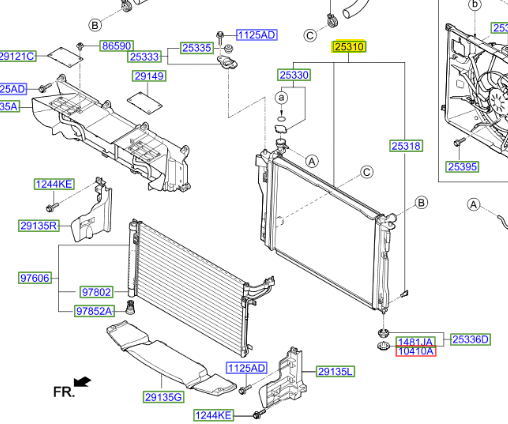
Genesis Sedan Water Radiator — Product Overview
The water radiator is the central component of your Genesis sedan’s cooling system. Its job is straightforward but critical: it transfers heat away from the engine coolant so the engine can keep running within its safe operating temperature range. Hot coolant flows in from the engine, passes through a dense network of thin tubes and fins, and releases heat into the air stream pulled through by the cooling fan and vehicle motion.
Function / How It Works
Coolant absorbs heat as it circulates through the engine block and cylinder heads. It then enters the radiator’s upper tank, travels down through the core’s tube-and-fin matrix, and exits through the lower tank at a significantly lower temperature. A thermostat regulates when coolant is allowed to circulate, while the radiator cap maintains system pressure — raising the coolant’s boiling point and preventing premature boil-over. On automatic-transmission Genesis models, the radiator also typically includes an integrated transmission fluid cooler (a “trans cooler” inside the bottom tank), which is an important detail to note when ordering a replacement.
Material and Construction
Modern Genesis sedan radiators are usually built with an aluminum core and aluminum or reinforced plastic end tanks:
- Core tubes and fins: Aluminum — lightweight, excellent heat conductivity, and resistant to corrosion when the correct coolant is used.
- End tanks: Either brazed aluminum (more durable, better for performance and towing use) or glass-fiber-reinforced nylon/plastic (common on OEM units, lighter and cheaper, but more prone to cracking with age and heat cycling).
- Brazing: Furnace-brazed construction creates a strong, leak-resistant bond between tubes, fins, and headers.
- Transmission cooler: A separate internal coil or tube assembly inside the lower tank for automatic-transmission fluid.
- Mounting brackets and inlet/outlet necks: Aluminum or steel, with rubber isolators to reduce vibration.
Older or aftermarket heavy-duty units may use copper/brass construction, but aluminum is now the standard for Genesis sedans because of its weight and heat-transfer advantages.
Key Specifications to Check Before Buying
- Engine size and model year (G80, G90, DH, BH, etc.) — fitment varies significantly
- Core dimensions (height × width × thickness) and row count
- Inlet/outlet diameter and hose connection positions
- Transmission type: automatic with integrated cooler vs. manual/separate cooler
- Tank material and whether it is an OEM-equivalent or all-aluminum upgrade
- Pressure rating and cap specification
Signs of a Failing Radiator
Common symptoms include coolant leaks or puddles under the front of the vehicle, a sweet smell from the engine bay, overheating or temperature gauge spikes, a low coolant level with no visible external leak (internal leak), discolored or sludge-like coolant, and transmission fluid contamination in the coolant or vice versa. Catching these early prevents head gasket damage and costly engine repairs.
Maintenance and Replacement Notes
Use only the coolant type specified for your Genesis model, and never mix incompatible coolant chemistries — doing so can accelerate corrosion inside the aluminum core. Flush the system at the recommended intervals, keep the cap and thermostat in good condition, and inspect hoses and clamps whenever the radiator is serviced. When replacing a radiator, it is good practice to replace the thermostat, hoses, and cap at the same time, since the labor overlap makes it economical
Reviews
There are no reviews yet.